Athletic Backdrops Sport Backgrounds: Elevate Your Visuals
As a designer or content creator, you know the struggle: you have a fantastic photo of an athlete, a product shot, or a promotional image, but the background is distracting, flat, or just uninspired. The solution isn't always a reshoot. Often, it's a powerful, context-setting background. This is where the Athletic Backdrops Sport Backgrounds collection becomes an indispensable tool in your creative arsenal. It’s not a font, but a curated set of high-resolution, textured backgrounds designed to inject energy, professionalism, and narrative depth into your projects.
Understanding the Visual DNA of These Sport Backdrops
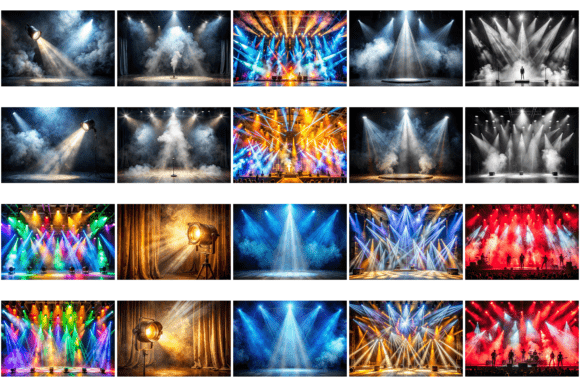
Imagine the gritty texture of a worn basketball court, the dynamic blur of a stadium track, or the abstract energy of an athletic oval. That’s the essence of this collection. These aren't sterile, generic backgrounds. Each of the 16x Athlete Backdrops carries a distinct personality—some are raw and textured with concrete and paint splatters, while others offer a more polished, studio-lit feel with dramatic lighting and gradients. The overall appeal lies in their ability to instantly create a sense of place and action. They serve as a visual shorthand for sports, fitness, competition, and achievement, making them incredibly effective for branding and storytelling.
Practical Applications: Where These Backgrounds Truly Shine
The true value of a premium design asset like this is measured by its versatility. Here’s where you can put these sport backgrounds to work immediately:
- Brand Identity & Marketing: For gyms, athletic apparel brands, sports nutrition companies, or personal trainers, these backdrops provide a consistent, energetic foundation for social media graphics, website banners, and email headers. They help build a cohesive brand identity that speaks directly to a fitness-oriented audience.
- Editorial & Publishing: Bloggers and magazine designers can use them to create compelling featured images for articles on fitness, sports psychology, or athlete profiles. They add a professional, editorial design quality that elevates written content.
- E-commerce & Product Photography: Place your sports gear, footwear, or tech gadgets against these textured backgrounds to make product images pop. It’s a simple trick used in professional packaging design and marketing to create context and desire.
- Personal Projects & Digital Art: Hobbyists and digital artists can use them as layered foundations for creating motivational posters, custom phone wallpapers, or composite art. The high resolution (4000x6000 or 6000x4000 pixels at 300dpi) ensures your final output is crisp, even for large prints.
Integrating Backdrops for Maximum Impact: A Designer's Perspective
Simply dropping a background behind an image isn’t enough. The key is thoughtful integration. In Adobe Photoshop or other editors, use blending modes like Multiply, Overlay, or Soft Light to make your foreground subject interact with the background's texture. Play with opacity to find the right balance. This technique is fundamental to creating professional-looking composites and avoiding that "cut-out" look.
Think about visual hierarchy. A busy, textured background can overwhelm delicate text or small logos. Use these backgrounds strategically: for hero images where the background supports the main subject, or as a textured layer at low opacity behind text blocks to add depth without sacrificing readability. For example, a subtle, grungy concrete texture can make white sans-serif display font text stand out dramatically in a poster design.
Making the Right Choice for Your Project
Before you dive in, evaluate your project's needs. Does your brand aesthetic align with gritty, urban textures or clean, dynamic gradients? Test the font pairing concept here—while it’s not a typeface, the same principle applies: does the background’s mood complement your chosen creative font and overall design? If you're designing for a luxury athletic brand, a more polished backdrop might be suitable. For a raw, hardcore fitness brand, the textured options are perfect.
Remember the useful information provided: you need basic editing skills. Knowing how to mask, use layers, and adjust colors in Photoshop is essential to get the most out of this asset. This isn't a one-click magic solution; it's a high-quality ingredient that requires a skilled hand. The commercial licensing is straightforward—you get the files to use in your projects, which is a huge plus for small business owners and entrepreneurs creating client work or their own marketing materials.
Beyond the Obvious: Creative Experiments
Don’t limit yourself to literal sports imagery. These textured backgrounds can be repurposed creatively. Use a blurred stadium backdrop as a unique texture for a music event poster. Layer a concrete texture under a product shot of a rugged watch or tool. The abstract quality of some of these backgrounds makes them versatile design assets for any project needing a touch of energy, grit, or movement. By viewing them as raw materials rather than finished scenes, you unlock their full potential to transform your work and engage your audience on a more visceral level.