Elevate Your Brand with Lush Purple Peony Backgrounds
In the crowded digital landscape, establishing a distinct visual identity is paramount. For designers, marketers, and content creators, the challenge lies in finding assets that feel both premium and authentic. This collection of 8 Purple Peony Backgrounds and digital paper illustrations offers a sophisticated solution, moving beyond generic textures to provide rich, botanical artistry. These aren't just simple patterns; they are carefully crafted scenes that evoke a sense of luxury, creativity, and organic beauty, making them a versatile foundation for a wide array of projects.
The Aesthetic Power of Purple Peonies
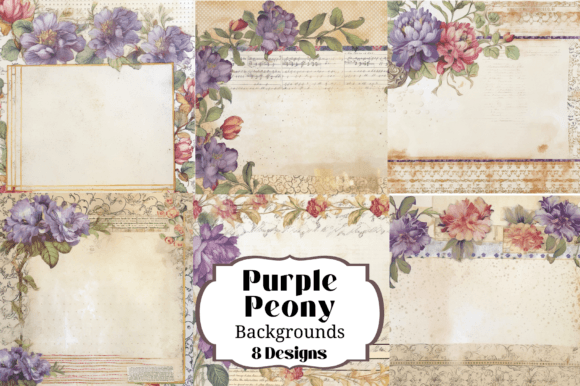
Peonies have long been symbols of prosperity, romance, and beauty. When rendered in shades of purple—from soft lavender to deep, royal plum—they take on an additional layer of meaning associated with creativity, wisdom, and luxury. The visual personality of these 8 Purple Peony Backgrounds is one of lush, layered elegance. You'll find compositions ranging from dense, painterly clusters of blooms to more minimalist, watercolor-style arrangements where negative space plays a crucial role. The style bridges the gap between classic botanical illustration and modern digital art, resulting in assets that feel both timeless and contemporary.
This duality makes them incredibly appealing. The backgrounds can feel whimsical and romantic for a wedding invitation suite, yet structured and professional enough for a high-end brand's social media graphics. The inherent depth and texture within each peony illustration prevent them from looking flat or digital, adding a tactile, almost hand-painted quality to your work. This is the kind of detail that elevates a design from merely functional to truly memorable.
Practical Applications: From Scrapbooks to Brand Identities
The true value of a design asset lies in its versatility. This collection shines across both personal and commercial applications, offering a consistent quality that adapts to different needs.
For Crafters and Hobbyists: The immediate use case is in paper crafts. As high-resolution PNG files, these backgrounds are perfect for digital scrapbooking, creating custom junk journal pages, collage art, and card making. The files are sized larger than the previews, ensuring crisp prints even at significant dimensions. Because they are digital, you can scale, crop, and layer them with other elements without any loss of quality, giving you complete creative control over your physical projects.
For Designers and Entrepreneurs: This is where the collection becomes a strategic tool. Imagine using a soft, lavender peony texture as the background for a website hero section for a boutique florist, a wellness brand, or a high-end stationery shop. The visual impact is immediate and communicates brand values without a single word. For logo design, a carefully isolated peony from one of the backgrounds can become a beautiful brand mark. In packaging design, these patterns can create stunning product labels, box interiors, or tissue paper designs that delight customers and enhance the unboxing experience.
For Marketers and Content Creators: Consistency is key in building brand recognition. These backgrounds provide a cohesive visual thread. Use them to create a series of social media graphics for Instagram, Pinterest, or Facebook. They work exceptionally well as backgrounds for quote posts, promotional announcements, or story highlights. For editorial design, such as blog post headers or PDF lead magnets, they add a professional polish that can increase perceived value and engagement. A purple peony background can transform a simple text-based announcement into a visually compelling piece of content.
Integrating Floral Assets into Your Design Workflow
Successfully incorporating a strong visual element like the 8 Purple Peony Backgrounds requires thoughtful execution. It's not about simply dropping a pattern onto a canvas; it's about creating a harmonious composition that serves the project's goals.
Choosing the Right Background: First, consider the mood. A dense, dark purple background conveys drama and luxury, ideal for evening event invitations or a bold brand identity. A lighter, watercolor-style lavender background feels airy and approachable, perfect for a baby shower invitation or a wellness blog. Evaluate the needs of your specific project and select the background whose personality aligns best with your message.
Mastering Font Pairing and Hierarchy: The richness of the peony pattern means your typography must be chosen carefully to ensure readability. A clean, bold sans serif font often provides a fantastic modern contrast to the organic shapes of the flowers, creating a clear visual hierarchy. For a more classic, romantic feel, a simple serif font can work beautifully. Avoid overly ornate script fonts or detailed handwritten fonts for body text, as they can become lost in the background. Instead, use them sparingly for headlines or accents, perhaps on a solid-colored overlay to maintain clarity.
Creating Balance and Focus: One of the most effective techniques is to use the floral background selectively. Don't feel obligated to cover an entire design with it. Consider using it in a single panel of a tri-fold brochure, as the backing for a business card, or within a shaped mask (like a circle or letter) in your web design. Pairing a vibrant peony background with ample white space or a solid color from the palette extracted from the flowers themselves can create a sophisticated, balanced layout that feels intentional and professional. This approach ensures the background enhances your content rather than overwhelming it.
Ultimately, the 8 Purple Peony Backgrounds collection is more than just a set of decorative files. It's a toolkit for building mood, telling a visual story, and adding a layer of professional artistry to your work. Whether you're crafting a personal keepsake or building a commercial brand, these assets provide a reliable foundation of beauty and quality. By understanding their visual character and applying them with strategic design principles, you can create work that resonates deeply with your audience and stands out in a meaningful way.