15 Stainless Steel Texture Backgrounds for Modern Design
There's a specific quality to brushed metal that immediately communicates strength and precision. It’s a surface that feels both industrial and luxurious, a visual shorthand for modernity and reliability. When you need to bring that kind of grounded, professional weight to a project, finding the right texture is key. A collection like the 15 Stainless Steel Texture Backgrounds offers a versatile toolkit for designers seeking that exact aesthetic. This isn't just about adding a shiny backdrop; it's about harnessing the character of the material itself to shape the perception of your work.
The Visual Language of Stainless Steel
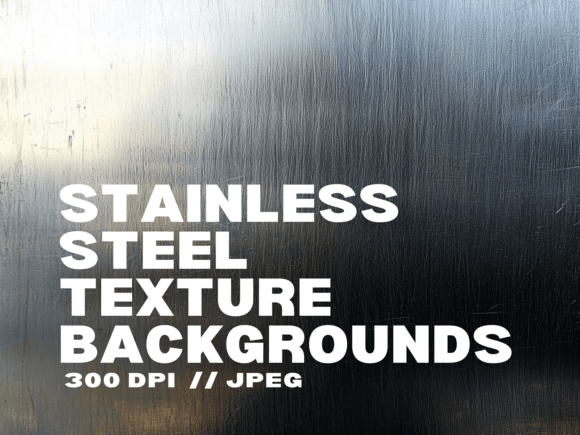
At its core, a stainless steel texture is about controlled reflection and subtle, linear grain. The visual personality is clean, cool, and uncluttered. Unlike chaotic or noisy textures, the directionality of the brushed finish creates a sense of order and flow. This makes it an exceptionally stable foundation for overlaying other elements. The high-resolution files in this pack, with their 3000x4000 pixel dimensions and 300 DPI clarity, ensure that this fine grain remains sharp even in large-format applications. You're not just getting a generic metal look; you're getting a detailed surface that holds up under scrutiny, crucial for professional logo design or high-end packaging design where every pixel counts.
The appeal of these backgrounds lies in their neutrality and sophistication. They act as a powerful stage, allowing typography, imagery, and color to take the lead without competing for attention. A bold, white sans-serif font placed over a brushed steel texture instantly feels more authoritative. A delicate script font gains a surprising, modern edge. This interplay is where the texture does its most subtle work, influencing visual hierarchy and brand perception without uttering a word. It suggests a brand identity that is innovative, durable, and forward-thinking.
Practical Applications Across Creative Fields
The true value of a design asset like this is measured by its utility. Where do these 15 stainless steel textures actually work best? The answer is surprisingly broad, cutting across both digital and print realms.
- Digital & Web Design: They are perfect for creating sleek website hero sections, app interfaces, or software dashboard backgrounds. The texture provides a tactile feel to a flat screen, enhancing user experience. For social media graphics, especially on platforms like LinkedIn or Instagram for tech, automotive, or luxury brands, a steel background makes posts and banners stand out with a professional, polished look.
- Branding & Marketing: Use them in editorial design for magazine covers or feature spreads in industries like architecture, engineering, or automotive. They serve as excellent backgrounds for product mockups, particularly for electronics, tools, or cosmetics where a clean, reflective surface elevates the product's appeal. The included commercial license means you can use them confidently in client campaigns, advertisements, and corporate presentations.
- Print & Physical Products: The 300 DPI resolution makes these textures ideal for print. Think business cards, letterheads, posters, and invitation suites for tech launches or modern events. In packaging design, a subtle steel texture can become a defining feature of a box, sleeve, or label, communicating quality and durability at first touch.
- Creative & Personal Projects: Digital artists and crafters will find them invaluable for creating digital collage, photo manipulations, or as a base for digital painting. They can also be used to create unique desktop or phone wallpapers, or even printed as standalone art pieces.
Integrating Texture into Your Design Workflow
Simply dropping a texture into your canvas is a start, but thoughtful integration separates good design from great design. Here’s how to work with the 15 Stainless Steel Texture Backgrounds effectively.
Consider the Context and Audience. The cool, industrial vibe of steel aligns perfectly with tech startups, financial services, automotive brands, and luxury goods. It might feel out of place for a children's brand or a cozy, rustic bakery. Always match the texture's personality to the project's message. Test it early in your concept phase to ensure it reinforces, rather than dilutes, your intended brand identity.
Master Font Pairing and Readability. This is critical. The linear grain of brushed steel can create visual noise. For body text, pair it with a clean, highly legible sans-serif font or a classic serif font with good x-height, ensuring ample contrast and size. Reserve more expressive display fonts, script fonts, or handwritten fonts for headlines where they can be larger and more impactful. A common technique is to place text within a semi-transparent shape or a solid color panel laid over the texture to guarantee readability while still letting the texture peek through. This maintains the aesthetic without sacrificing function.
Leverage the Seamless Loop. The fact that these designs are seamlessly loopable is a huge practical advantage. You can scale them to fit any project dimension—from a small social media icon to a large trade show banner—without worrying about awkward seams or repetition. This ensures consistency across all your marketing materials and touchpoints, a cornerstone of professional design.
Evaluate the Full Pack. With 15 variations, you have a range of options. Some might have a finer grain, others a more pronounced pattern. Some might have cooler blue-gray tones, others warmer silver. Review all the included files to select the one that best matches the lighting and mood of your specific project. This variety prevents your work from looking monotonous and gives you flexibility for different applications within the same brand system.
Ultimately, the 15 Stainless Steel Texture Backgrounds are more than just decorative elements. They are a strategic tool for adding depth, modernity, and a tangible sense of quality to your creative work. By understanding their visual language and applying them thoughtfully, you can transform flat designs into engaging, professional pieces that resonate with your audience and elevate your entire portfolio.