Native American Pattern Backgrounds 2: A Designer's Guide
When you first encounter Native American Pattern Backgrounds 2, you're not just looking at a digital asset—you're stepping into a visual language that's been refined over centuries. This collection builds on the rich tradition of Indigenous artistry, offering designers a versatile toolkit of repeating motifs, earthy palettes, and geometric precision. But beyond its aesthetic appeal, this pattern set serves a practical purpose for modern creatives. Whether you're developing a brand identity, designing packaging, or crafting social media graphics, understanding how to leverage these backgrounds can elevate your work from ordinary to culturally resonant and visually compelling.
Visual Characteristics and Style DNA
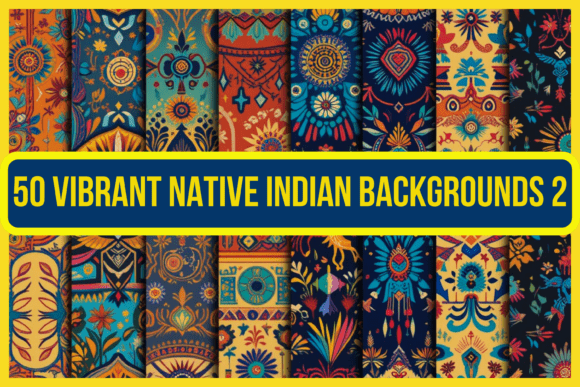
Native American Pattern Backgrounds 2 distinguishes itself through a careful balance of tradition and adaptability. The designs typically feature symmetrical arrangements of arrows, zigzags, diamonds, and totemic symbols—elements that carry deep cultural significance. The color palette leans into earthy tones: terracotta reds, turquoise blues, charcoal blacks, and warm browns, often accented with creamy whites. These aren't random choices; each color historically represents elements like the earth, sky, water, and fire, grounding the patterns in natural symbolism.
What makes this collection particularly useful for designers is its versatility across formats. The PNG files offer transparency, making them ideal for layering in digital compositions. SVG versions scale infinitely without losing quality, perfect for large-format printing or responsive web design. JPG options provide compressed alternatives for web use where file size matters. This multi-format approach means you're not locked into a single application—you can adapt these backgrounds for everything from a subtle website texture to a bold textile print.
Where These Patterns Shine: Real-World Applications
In branding and logo design, Native American Pattern Backgrounds 2 can inject authenticity and cultural depth. A craft brewery might use a subtle pattern as a label background, connecting to regional heritage. A wellness brand could incorporate turquoise and earth-tone motifs into packaging design to evoke natural ingredients and mindful living. The key is restraint—these patterns work best when they complement rather than overwhelm your primary typography and messaging.
For editorial design and publishing, these backgrounds add visual interest to magazine layouts, book covers, or blog headers. Imagine a travel publication featuring a pattern as a border element, or a cookbook using it as a chapter divider. The geometric precision of the designs creates natural visual hierarchy without competing with body text. When paired with clean sans serif fonts for readability, the patterns provide contrast that guides the reader's eye.
Digital applications are where Native American Pattern Backgrounds 2 truly flex their muscles. Social media graphics benefit from the immediate visual impact—Instagram stories, Facebook covers, and Pinterest pins stand out in crowded feeds. Website backgrounds, when used with appropriate opacity and overlay techniques, can create immersive brand experiences without sacrificing page speed or readability. The SVG formats are particularly valuable here, ensuring crisp rendering across devices and screen resolutions.
Practical Considerations for Professional Use
Choosing the right pattern from this collection requires evaluating your project's specific needs. Consider the cultural context of your audience and ensure your usage respects the traditions inspiring the designs. Test how patterns interact with your typography—high-contrast pairings work best for readability. For commercial projects, verify that the licensing covers your intended use, whether for merchandise, digital products, or client work.
Font pairing becomes crucial when incorporating these backgrounds. A bold display font might compete with intricate patterns, while a delicate script could get lost. Often, a clean sans serif or modern serif typeface provides the necessary contrast. Test combinations at actual size to ensure legibility, especially for body text. The patterns' inherent symmetry actually aids visual hierarchy—they naturally frame focal points when used as borders or section dividers.
When evaluating Native American Pattern Backgrounds 2 for a project, think beyond immediate aesthetics. How will the patterns translate across your brand ecosystem? Can they scale from business cards to billboards? Do they complement your existing color palette? The most successful implementations treat these backgrounds as design assets that enhance rather than define your visual identity. Used thoughtfully, they bridge historical artistry with contemporary design needs, creating connections that resonate across audiences and applications.
Final Thoughts on Integration
The true value of Native American Pattern Backgrounds 2 lies in their ability to tell stories visually. In a digital landscape saturated with generic gradients and stock imagery, these patterns offer authenticity and depth. They work particularly well for brands seeking to honor Indigenous heritage, connect with nature-focused audiences, or simply differentiate through meaningful design. As with any cultural motif, research and respect should guide your implementation—understand the symbols you're using and ensure your application aligns with their significance.
For designers, entrepreneurs, and content creators, this collection represents more than decorative elements. It's a bridge between traditional craftsmanship and modern digital needs, offering tools that can elevate branding, enhance publications, and create memorable visual experiences. Whether you're crafting a single social media post or developing a comprehensive brand identity, Native American Pattern Backgrounds 2 provides the visual vocabulary to communicate with depth, history, and striking beauty.