Leather Texture Backgrounds: A Designer's Go-To Asset
The Enduring Appeal of Leather in Digital Design
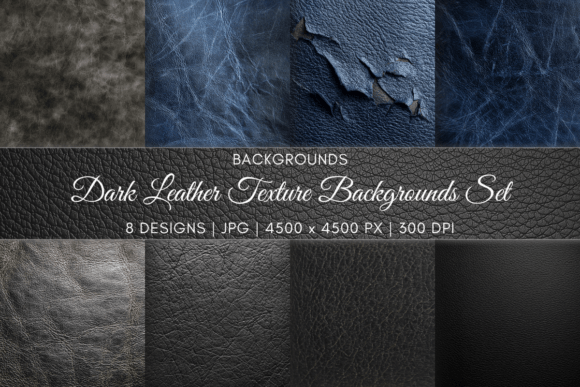
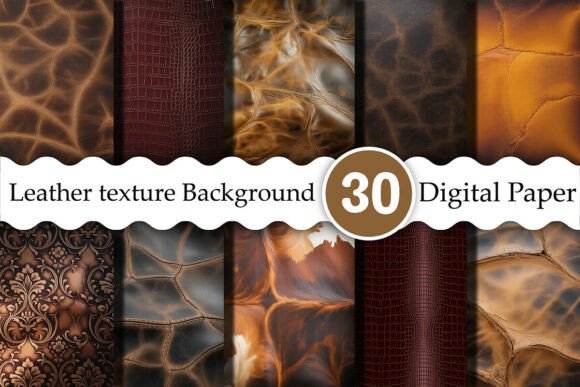
There's a reason leather never goes out of style. It speaks of craftsmanship, durability, and a certain timeless sophistication. In the digital realm, capturing that authentic feel can be a challenge. That's where a well-crafted set of Leather Texture Backgrounds becomes invaluable. We're not talking about cheap, plastic-looking overlays. These are high-resolution, 300DPI PNG files designed to mimic the rich grain, subtle color variations, and tactile quality of real leather. Each of the 30 papers in this collection offers a distinct personality, from smooth, polished finishes ideal for corporate branding to distressed, vintage styles perfect for artisan projects. The visual character is inherently warm and grounding, providing a sense of substance that flat colors or digital gradients often lack. It’s a design asset that adds immediate depth and narrative to your work.
Where These Textures Truly Shine
The practical applications for a versatile leather texture library are surprisingly broad, spanning both personal creativity and commercial ventures. For scrapbooking and digital journaling, these textures provide a luxurious, tactile base that makes every page feel more substantial and personal. Imagine a travel journal with a background that evokes a well-worn leather suitcase—it instantly sets the tone. In the world of printable invitations and greeting cards, especially for events like weddings, corporate galas, or upscale birthdays, a leather background communicates elegance and intention without a single word.
For entrepreneurs and small business owners, the utility extends into core brand identity elements. A subtle leather texture can form the foundation of a logo design for a law firm, a whiskey brand, a bespoke tailor, or a high-end craft studio. It’s equally effective in packaging design, where it can suggest premium quality on boxes, labels, and shopping bags. In editorial design, think of magazine layouts, book covers, or annual reports where a leather background can section off content or highlight key features with a touch of class. Even in web design and social media graphics, a leather-textured header, footer, or call-to-action button can help a brand stand out in a sea of flat design, adding a layer of tactile interest that encourages engagement.
Integrating Leather Textures with Modern Typography
The real magic happens when you pair these backgrounds with the right typefaces. A serif font with classic proportions often complements the traditional feel of leather, creating a harmonious and trustworthy look perfect for law or finance. Conversely, a clean, geometric sans serif font can create a striking contrast, making the design feel modern and bold—ideal for a tech company wanting to project grounded innovation. For more expressive projects, a flowing script font or a charming handwritten font can be layered over a distressed leather background to craft a personal, artisanal aesthetic for a bakery, café, or boutique.
This is where thoughtful font pairing is crucial. You're building a visual hierarchy. Your leather background is the foundation; your primary typeface is the headline act; and your secondary font provides supporting information. A premium font collection often includes multiple weights and styles, giving you the flexibility to experiment. Always test your pairings at the final size. Ensure your text has sufficient contrast against the texture's grain and color. Sometimes, a slight drop shadow or a solid color block behind the text is necessary to maintain readability, especially for longer body copy. The goal is for the leather to enhance the message, not compete with it.
A Practical Guide to Selection and Use
When evaluating a set like this, look beyond the thumbnail. Download the files and inspect them at 100% zoom. Do the textures hold up? The 3600x3600 pixel, 300DPI specification means these are designed for serious print work, ensuring crisp results on everything from business cards to wall art. The PNG format preserves quality and allows for transparency if needed. Assess the variety within the collection: 30 distinct textures offer incredible range, letting you match the exact mood—whether it's a sleek, modern black leather for a commercial font project or a rustic brown for a seasonal holiday card.
Consider your project's specific needs. For a sublimation project on a mug or a phone case, you need a seamless or large-enough texture that won't show awkward tiling. For a wall frame or poster, the high resolution is non-negotiable. For digital products like digital journal paper, the tactile illusion can significantly enhance the user's experience, making the digital product feel more valuable and engaging. Always check the licensing for any design assets you use. A clear commercial license is essential if you plan to sell the end product, be it a printable journal, a designed mug, or client work. It protects you and respects the creator's work.
Ultimately, a quality leather texture set is more than just a pretty pattern. It's a strategic tool for adding warmth, professionalism, and a narrative of quality to your designs. It helps build brand recognition through consistent, tactile appeal and can significantly elevate the perceived value of your creative projects. By understanding its strengths and pairing it thoughtfully with modern typography, you can create work that feels both timeless and distinctly contemporary.