Designing a Welcoming Classroom with Pastel Doodles
The start of a new academic year brings a specific kind of energy. There is a blend of excitement and anxiety, fresh starts and new expectations. For designers, educators, and content creators, capturing that feeling visually is a significant challenge. You want something that feels energetic but not chaotic, educational but not sterile. This is where the specific aesthetic of Pastel Back to School Doodle Backgrounds proves to be an invaluable asset. These designs strike a balance between playful illustration and professional polish, offering a versatile foundation for a wide range of projects.
The Anatomy of a Playful Academic Palette
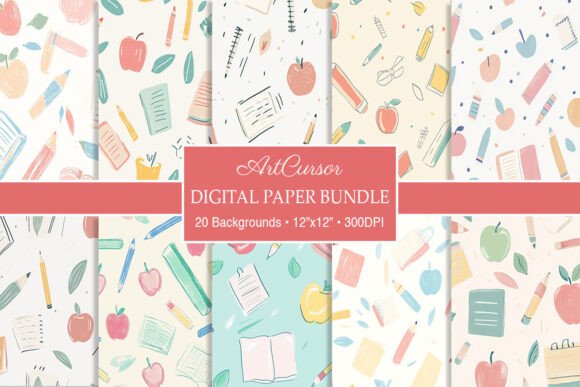
When we talk about "doodle" styles, we often imagine rough sketches on notebook paper. However, high-quality digital papers elevate this concept. The appeal of these backgrounds lies in their seamless nature and soft color grading. The pastel palette—think muted pinks, sage greens, and dusty blues—softens the "school" theme, making it accessible to adults as well as children. It avoids the harsh primary colors often associated with early childhood education, leaning instead toward a modern, sophisticated take on nostalgia.
Visually, these backgrounds rely on repetition and rhythm. A seamless pattern ensures that when you tile the image across a large surface—like a website banner or a scrapbook page—there are no jarring breaks or awkward seams. The doodle elements themselves usually consist of vector-style illustrations: pencils, notebooks, apples, rulers, and geometric shapes. This style fits perfectly within the broader trend of handwritten font aesthetics and organic design. It mimics the texture of real paper but with the precision required for digital paper usage. The result is a texture that feels tactile and warm, bridging the gap between web design and physical stationery.
Strategic Applications for Modern Creators
Understanding the visual style is one thing; applying it effectively is another. The utility of these assets extends far beyond simple scrapbook paper. For the modern entrepreneur or designer, these backgrounds serve as a foundational layer for complex brand identity work.
Consider the following scenarios where these assets shine:
- Publishing and Editorial Design: For bloggers and magazine creators, a subtle doodle background can frame text without overwhelming it. It adds personality to a header image or a sidebar, creating a cohesive look that aligns with educational or lifestyle content.
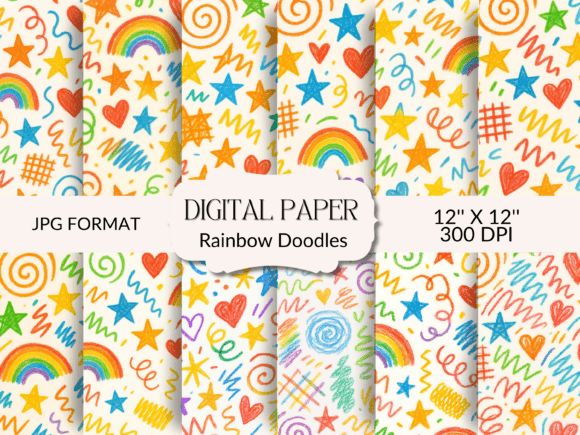
- Physical Product Design: The high-resolution specs (300 DPI, 3600x3600px) make these files print-ready. This is crucial for packaging design or merchandise. Imagine the back cover of a planner, the wrapping of a pencil case, or the surface of a ceramic mug. The seamless pattern ensures the design looks continuous and professional, regardless of the product's shape.
- Marketing and Social Media: In a crowded feed, texture grabs attention. Using these backgrounds behind text overlays on Instagram Stories or Pinterest pins can increase engagement. They provide a soft backdrop that makes white or dark text pop, improving readability while maintaining a friendly vibe.
For small business owners in the stationery or educational niche, consistency is key. Using a matching set of digital papers across your packaging, thank-you cards, and website creates a unified unboxing experience. It signals professionalism and attention to detail, which builds trust with customers.
Technical Precision: Resolution and Flexibility
One of the most common pain points in design is finding assets that work across different mediums. A graphic designed for a screen often falls apart when printed. The technical specifications of this collection address that issue directly. At 300 DPI (dots per inch), the images are optimized for print, ensuring crisp lines and smooth gradients even on large formats.
The inclusion of both PNG and JPEG files adds another layer of practicality. JPEGs are excellent for web use where file size matters, while PNGs are better for maintaining quality in layered compositions. The generous sizing (12"x12") allows for significant cropping or scaling down without loss of quality. This flexibility is essential for content creators who might need to adapt a single design asset for a tiny sticker graphic and a large wall art print simultaneously.
Integrating Doodles into Professional Workflows
There is a misconception that "playful" equals "unprofessional." In reality, modern graphic design often uses playful elements to humanize a brand. A corporate training manual might feel cold and intimidating, but adding a subtle pastel doodle border can make the content feel more approachable and digestible.
When working with these backgrounds, consider the hierarchy of your design. Because the pattern is active (meaning it has visual movement), it works best as a supporting actor, not the star. Pair it with clean, legible typography. A bold sans serif font for headlines and a simple serif font for body text usually work well against a busy pattern. This contrast ensures that your message isn't lost in the texture.
Furthermore, think about color interaction. While the pastels are soft, they still occupy visual space. If you are placing text over the background, consider using a semi-transparent white box or a drop shadow to separate the text from the pattern. This technique, often used in web design and social media graphics, ensures maximum readability while keeping the aesthetic charm of the doodle intact.
Maximizing Your Asset Library
Investing in a set of 20 distinct patterns offers significant value for variety. It allows you to rotate designs based on the season or specific campaign needs without losing the core aesthetic of your project.
Here are a few ways to maximize this collection:
- Create "Capsule" Collections: If you are a seller on Etsy or a similar platform, group products using the same background. For example, create a "Math Whiz" set of stickers using a ruler-patterned background and a "Creative Writer" set using a notebook-patterned background. This merchandising strategy encourages multiple purchases.
- Digital Planning: For those using digital planners (like in GoodNotes or Notability), these files can be imported as custom covers or page backgrounds. It personalizes the digital experience, making it feel more like a physical object.
- Educational Resources: Teachers and tutors can use these as backgrounds for worksheets or presentation slides. It transforms a standard quiz into a more engaging activity sheet, potentially improving student focus.
Ultimately, the goal of design assets