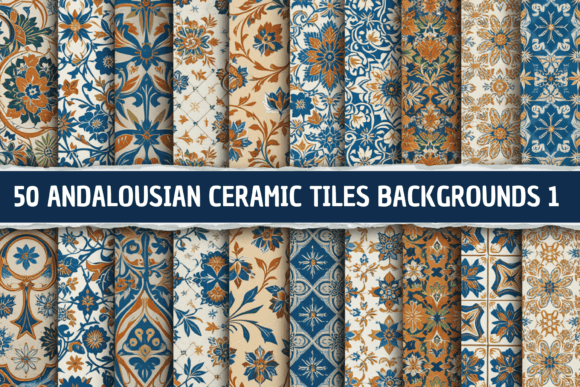
50 Ceramic Tiles Backgrounds 3: A Design Deep Dive
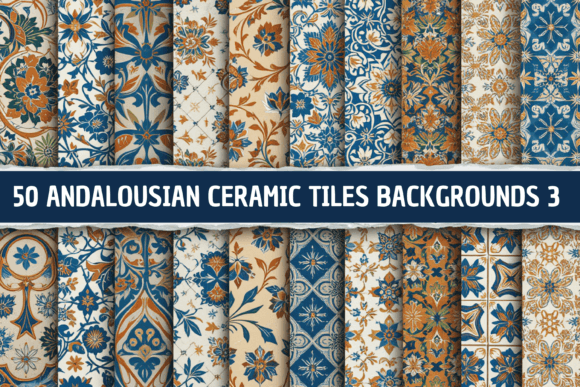
When you're looking for a background that does more than just fill space, you need something with history, structure, and a story to tell. That's precisely what you get with 50 Ceramic Tiles Backgrounds 3. This collection isn't just a set of patterns; it's a curated gallery of Andalusian ceramic tile designs, offering a rich tapestry of visual elements rooted in centuries of artistic tradition. For designers, marketers, and content creators, this resource provides an immediate connection to a style that conveys sophistication, cultural depth, and meticulous craftsmanship.
The Visual Personality: More Than Just a Pattern
What sets this collection apart is its authentic character. The designs draw from Islamic art traditions, where geometry is not merely decorative but symbolic. You'll find intricate geometric patterns where deep cobalt blues create a dynamic contrast against pristine whites, forming complex eight-pointed stars and interlocking arabesque motifs. The visual "personality" is one of precision, harmony, and timeless elegance. It's a style that feels both historic and surprisingly modern.
The color palettes are a major strength. The collection goes beyond the classic blue and white to include a spectrum that serves various design needs:
- Classic & Mediterranean: Azure blues paired with sunny yellows and crisp whites, evoking coastal warmth and energy.
- Earth-Toned & Rustic: Warm browns, rustic oranges, and sage greens in hexagonal arrangements, perfect for organic or artisanal branding.
- Modern & Bold: Teal, turquoise, and indigo in contemporary geometric compositions for a fresh, updated take.
- Monochromatic Sophistication: Black and white versions that highlight the mathematical precision of the patterns, ideal for minimalist or luxury projects.
- Jewel-Toned Luxury: Variations incorporating ruby red, sapphire blue, and amethyst purple for high-impact, opulent designs.
Each background maintains the hallmarks of authentic Andalusian tile work: perfect symmetry, seamless repetition, and an incredible level of detail. Digital reproductions often enhance these with subtle gradients and textural effects, adding depth that works beautifully on screen and in print.
Where This Collection Truly Shines: Practical Applications
Understanding where to deploy such a distinctive design asset is key. This is not a background for every project, but where it fits, it elevates the work significantly.
Brand Identity & Logo Design: For businesses in hospitality, gourmet food, artisan crafts, or luxury services, these tiles can form the cornerstone of a brand identity. Imagine a restaurant menu with a subtle tile pattern border, or a logo for a boutique hotel that incorporates a single, iconic tile motif. The pattern communicates heritage, quality, and attention to detail without a word.
Editorial & Publishing Design: In editorial design, these backgrounds can frame feature articles, create stunning chapter dividers in books, or add visual interest to magazine layouts. A travel publication focusing on Spain or Morocco would find them indispensable. They add a layer of visual storytelling that plain colors cannot achieve.
Digital & Web Design: As a website background, a muted or desaturated version can set a unique tone for a portfolio site, an online gallery, or a boutique e-commerce store. They are particularly effective for creating engaging social media graphics—a post with a tile background instantly stands out in a feed, conveying a message of culture and style.
Packaging & Print: For packaging design, especially for products like spices, ceramics, or specialty teas, these patterns can create shelf appeal that tells a story. They also work well for business cards, stationery, and event invitations where you want to make a memorable impression.
Making It Work: Integration and Execution
Using a powerful pattern like those in 50 Ceramic Tiles Backgrounds 3 requires a thoughtful approach to ensure it enhances rather than overwhelms your content.
Pairing with Typography
The key is contrast. Pair these intricate backgrounds with clean, simple typefaces. A modern sans serif font for body text ensures readability, while a classic serif font or a simple script font for headlines can complement the traditional aesthetic. Avoid overly ornate or handwritten font styles that might compete with the pattern's complexity. The goal is a balanced visual hierarchy where the text remains the clear focal point.
Testing and Readability Considerations
Always test your designs at various scales. A pattern that looks beautiful as a full-page background might become distracting behind a line of text. Consider using the patterns as accents—a header, a sidebar, a footer—rather than a full bleed. Adjust opacity or apply a subtle overlay to ensure text contrast meets accessibility standards. This is a practical step that separates professional work from amateur attempts.
Evaluating Project Fit and Licensing
Before diving in, ask: Does this pattern's personality align with the project's message? Is the audience likely to appreciate this style? If the answer is yes, review the included styles and color variations within the collection to find the perfect match. Always verify the commercial font and asset licensing for your intended use, whether it's for a client project, merchandise, or digital products. A clear license prevents headaches later and is a mark of professional practice.
In essence, 50 Ceramic Tiles Backgrounds 3 is more than a set of files; it's a versatile creative font