50 African Tribal Backgrounds 2: A Designer's Cultural Toolkit
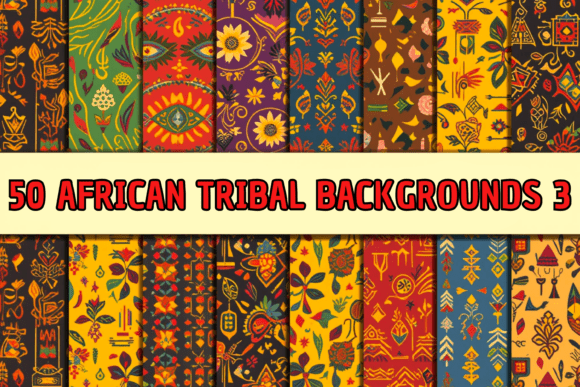
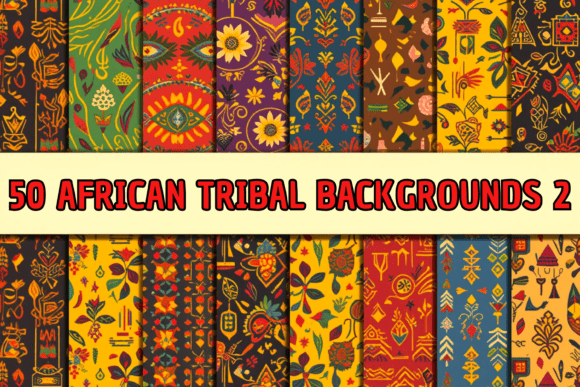
When you open a resource like 50 African Tribal Backgrounds 2, you're not just getting a set of digital files. You're accessing a visual language steeped in history, symbolism, and artistic expression. These aren't generic patterns; they are inspired by the rich tapestry of African textile arts—the intricate geometry of Kente cloth, the earthy storytelling of Bogolanfini mud cloth, the bold, rhythmic energy of Ankara wax prints. The collection typically offers a diverse range of high-resolution files (PNG, JPG, SVG), providing a versatile foundation for projects that demand authenticity and visual impact.
The Visual Character: Bold, Geometric, and Meaningful
The personality of these backgrounds is unmistakable. They are vibrant and bold, built on a palette that harmonizes bright, symbolic colors—like the deep reds of strength, yellows of fertility, and greens of prosperity—with earthy browns and ochres. The designs are fundamentally geometric and rhythmic. You'll find repeating motifs—diamonds, zigzags, concentric circles, and symbolic crosshatches—that create a sense of movement and order. This isn't random decoration; it's a visual code. Each pattern carries cultural weight, whether referencing Adinkra symbols from Ghana or the abstract representations of nature and community found in various West and East African traditions.
This collection works exceptionally well as a display font complement or a standalone design asset. Its strength lies in its ability to command attention without overwhelming a layout when used thoughtfully. Think of it as a powerful creative font for backgrounds, headers, or accent elements, rather than body text. The style is inherently modern typography in application, even as it draws from ancient sources. It bridges the gap between Afrocentric branding and contemporary graphic design, offering a bridge between heritage and current visual trends.
Strategic Applications: Where These Patterns Shine
Understanding where to deploy 50 African Tribal Backgrounds 2 is key to leveraging its full potential. Its applications are broad, but they share a common thread: the need for a design that communicates culture, energy, and depth.
- Brand Identity & Logo Design: For businesses, artists, or organizations rooted in African culture, wellness, artisanal crafts, or community empowerment, these patterns can form the core of a brand identity. Use a simplified motif as a logo mark, or employ a subtle pattern as a brand texture. It instantly communicates heritage and values, building brand recognition and professionalism.
- Publishing & Editorial Design: In editorial design for magazines, book covers, or cultural publications, these backgrounds add immense depth. They work beautifully as chapter dividers, cover backgrounds, or sidebar accents, enhancing the visual hierarchy and reader engagement.
- Digital & Web Design: As website backgrounds or elements in social media graphics, they create a dynamic, immersive experience. A patterned header or a featured image backdrop can set the tone for a blog, an e-commerce site selling African-inspired goods, or a cultural event page. Ensure readability by pairing with clean, sans serif or serif typography for body copy.
- Product & Packaging Design: For packaging design of beauty products, foods, textiles, or stationery, these patterns offer instant shelf appeal. They tell a story of origin and craftsmanship, influencing brand perception and justifying a premium position.
- Interior & Textile Design: Beyond the digital realm, these files are perfect for creating home décor items—think throw pillows, wallpaper samples, or art prints. They translate seamlessly to fabric prints for fashion designers and crafters, embodying the bohemian aesthetic and Afrocentric style.
Practical Guidance for Designers and Creators
Integrating a resource like this effectively requires more than just placing a pattern on a canvas. Here’s how to approach it like a seasoned professional.
Evaluating Project Fit and Font Pairings
First, assess the tone of your project. Is it celebratory, spiritual, luxurious, or earthy? The specific motifs and color ways within 50 African Tribal Backgrounds 2 will align with different moods. A project focused on royalty and ceremony might use patterns reminiscent of Kente, while one about organic materials might lean towards mud cloth textures.
The next critical step is font pairing. These patterns are visually dense, so your typography must provide clarity and contrast. A strong sans serif font like Helvetica or Futura often provides a clean, modern counterpoint. For a more classic or editorial feel, a sturdy serif font can work well. Avoid overly decorative script or handwritten fonts for primary text, as they can compete with the pattern's complexity. Instead, reserve them for short, impactful headlines where you want maximum cultural resonance.
Testing and Implementation
Always test your chosen pattern at the intended scale. A complex geometric that looks stunning as a full-page background might become a noisy, illegible mess when scaled down for a business card. Use the SVG format where possible for digital projects, as it scales infinitely without quality loss. For print, high-resolution PNG or JPG files are essential.
Consider the visual hierarchy of your design. Use the pattern strategically to guide the eye. It can frame a central image, highlight a call-to-action button, or create a border that contains other content. Its energy can boost audience engagement, but it needs to be balanced with areas of visual rest (solid colors, ample whitespace).
Finally, understand the licensing. Since this is a premium font and design asset collection, ensure you have the correct commercial font and asset license for your intended use—whether for a client project, merchandise for sale, or a corporate website. Proper licensing protects your work and respects the creators.
In essence, 50 African Tribal Backgrounds 2 is more than a decorative toolkit. It is a conduit for cultural expression, a means to build authentic brand identity